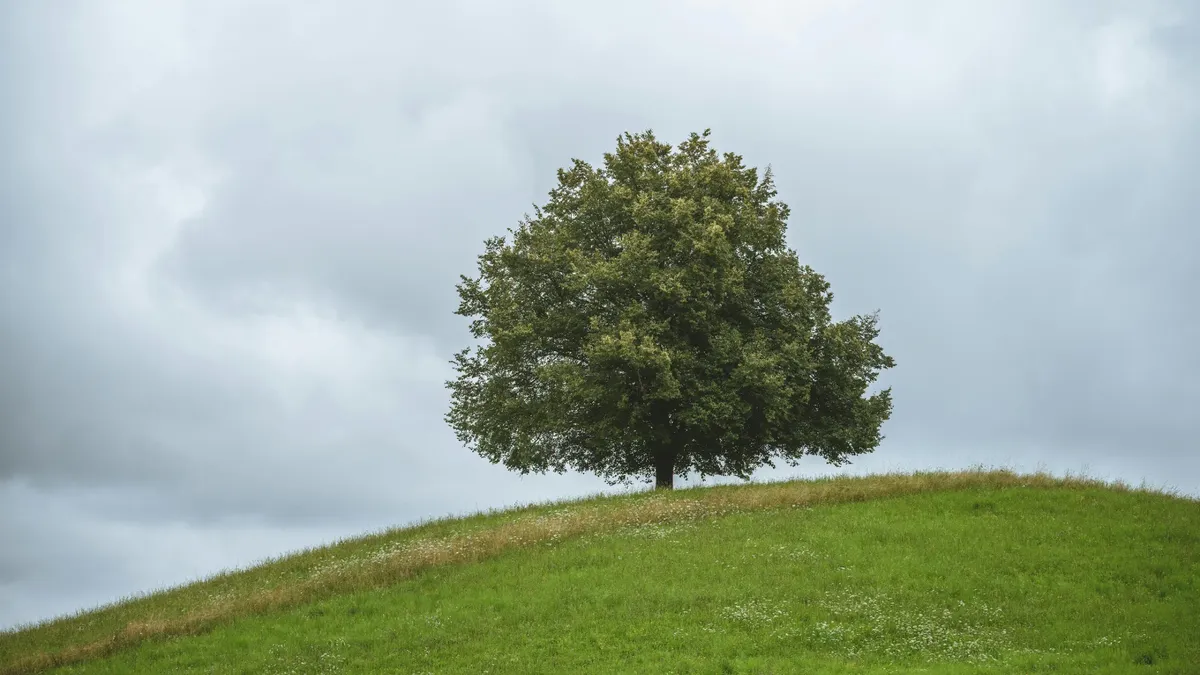
A Tree That Can Meet Reality
Character is easy to mistake for a polished image. We can think it means looking composed, behaving well, or producing impressive results. But I have been learning to think about character less as an appearance and more as the capacity to meet the real demands of a life.
That distinction matters because reality is not limited to work. It includes our relationships, family life, responsibilities, inner world, and the unexpected challenges none of us would choose. A useful character-development model pictures a person as a tree. The visible fruit represents the results of our lives with people, our performance, and our personal health. The trunk and roots represent the deeper development that sustains that fruit.
When Reality Arrives
During a cancer season in our family, I saw how little use a polished image would have been. A diagnosis brought us face to face with a reality we could not manage by pretending to be unaffected. We still struggled. We were still learning how to suffer. But I could also see that something had been taking root in us: a stability that helped us keep facing what was in front of us.
That experience changed how I understand character. Character is not proof that life is easy or that a person never feels fear. It is the set of skills and abilities that helps us respond to what life is asking of us. In Romans 5:3-5, perseverance, character, and hope are connected. That does not make a hard circumstance good or simple. It does remind me that difficulty does not have to be the end of the story.
The tree image helps me resist the temptation to fix only what is visible. If I want healthier relationships, more sustainable work, or greater care for my inner life, I cannot simply polish the fruit. I need to pay attention to the conditions that nourish it. In this model, the trunk includes attachment, separation, integration, and adulthood. The roots are grace and truth. Growth takes place beneath the surface before it can be seen in the fruit.
Insights and Lessons Learned
Fruit is an outcome, not the root of growth. People, performance, and personal life are helpful areas to notice, but they are not the whole tree.
Reality includes every part of life. Our character is called on at home, at work, in relationships, and in our inner world.
Interdependence is a strength. We all have needs and limitations. Healthy community lets us help one another without pretending that we must be entirely independent.
Production can be good without becoming our identity. Work and contribution matter, but pressure to produce is not the only reason to grow.
Hope can coexist with struggle. I can acknowledge fear and difficulty while continuing to learn how to meet them.
Actionable Steps
Name one current reality in your life without minimizing it or rushing to solve it.
Notice which area feels most present right now: people, performance, or your personal inner life.
Ask what deeper support that area may need, rather than focusing only on the visible result.
Identify one person you can ask for support, or one person whose burden you can help carry in a healthy way.
Read Romans 5:3-5 slowly and notice what the passage says about perseverance, character, and hope.
Reflective Questions
Which kind of fruit feels healthiest in my life right now: people, performance, or personal?
Which area brings fear or resistance when I imagine growing in it?
What might the roots of grace and truth look like in the reality I am facing?
Where am I trying to polish the fruit instead of tending to what sustains it?
Who can help me carry what feels heavy, and whose support might I be willing to receive?
I do not have to manufacture a perfect-looking tree. I can pay attention to what is growing underneath the surface and take the next honest step toward health. When I let growth begin at the roots, the fruit can become a more natural expression of a life grounded in grace, truth, and hope.
